Adverse Effects of ADHD Medications in Children & Adolescents
The effects of ADHD medication can outweigh its benefits.
Written by: Amber Case
Welcome to my blog. My name is Amber Case. I attend Franciscan Missionaries of Our Lady University in Baton Rouge, Louisiana. I have created this blog to raise awareness about the adverse effects of ADHD medication in children and adolescents. I hope to create interesting posts that will prompt a purposeful dialogue regarding the adverse effects of the use of ADHD medications in children and adolescents.
EFFECTS ON GROWTH IN CHILDREN AND ADOLESCENTS
Let’s get straight to the most concerning topic: The effects on growth in children and adolescents who are given ADHD medication on a regular basis.
Stunted growth can be a serious side effect of ADHD medication. Studies have shown that the most affected patients are adolescents of an older age or those who had a pre-dispositioned emotional disorder. Weight gain or weight loss can also be a side effect of taking ADHD medications. Particularly, boys taking ADHD medications experience weight loss. On the other hand, girls experience weight gain. Those who had been previously diagnosed with Autism Spectrum Disorder (ASD), also experienced weight change. For those with ASD or are the caregiver(s) of a child with ASD, this can become an alarming issue. According to PubMed, “… people with higher autistic traits tended to have higher selective eating behaviors, such as increased sensitivity to food texture and mixed flavours.” With an already compromised diet, a decrease in weight for a person with ASD can become life threatening.
Click here to learn more about ASD: Chen, Na, et al. “Relationships between autistic traits, taste preference, taste perception, and eating behaviour.” National Library of Medicine, vol. 30, no. 5, 12 June 2022, pp. 628–640. 10.1002/erv.293.
Have you ever heard someone say, “I will just pop a (insert ADHD medication) to stay up all night studying for an exam or a project”? Some may hear this statement and believe that this is an isolated incident. Contrarily, there are shocking numbers of students relying on this method of dosing on the regular. ADHD medication abuse is a real-world problem. According to CNN Health, … “1 in 4 teens report they’ve abused prescription stimulants for attention deficit hyperactivity disorder during the year prior, a new study found.” Also according to CNN Health, “Schools with the highest rates of teens using prescribed ADHD medications were about 36% more likely to have students misusing prescription stimulants during the past year.” Some patients are more susceptible to substance abuse than others. According to CNN Health, those who have participated in binge drinking or who have smoked marijuana in the past were more likely to abuse ADHD medications. Abuse of ADHD medication can also affect other parts of a child or adolescent’s life. This form of abuse may result in other kinds of abuse like alcoholism, other drug abuse and illegal activity. This is a problem we should all consider before deciding to treat ADHD in children or adolescents with medication.
Thanks to all who took the time to read this blog, and I hope you learned more about the adverse effects of ADHD medication in children & adolescents.
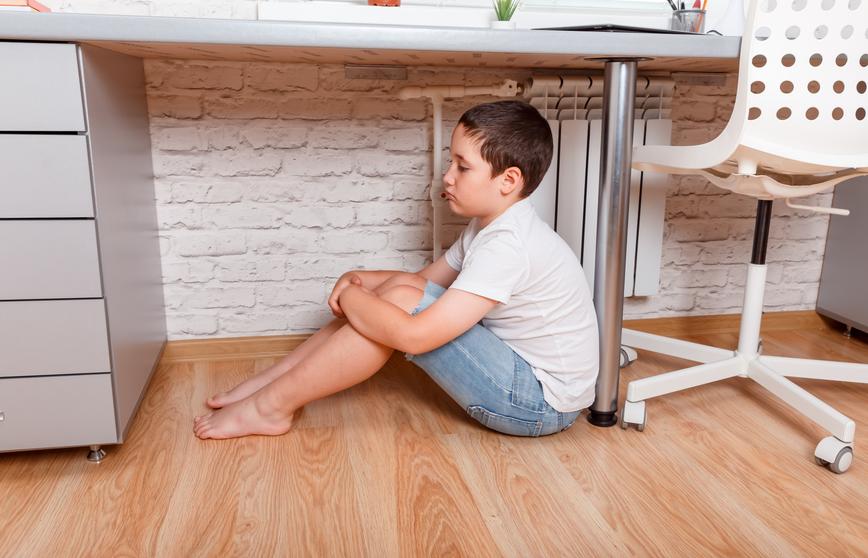
Adolescents can feel isolated when they are medicated for ADHD.
My own personal experience may help explain what someone who has been diagnosed with ADHD could possibly feel during their medication journey.
To begin with, we must start by understanding ADHD. The term ADHD is an abbreviation for Attention Deficit Hyperactivity Disorder. ADHD is a chronic condition that causes difficulty concentrating and impulsive behavior. Sharing my own personal experience with medicating to treat ADHD is the best way that I know how to describe the feelings of the side effects of ADHD medications. Within 30 minutes of my first dose of ADHD medication, I could feel my heart racing. I thought to myself, “So, this is what ADHD medication does to you?” I immediately decided that this was not the path for me. I then began the search for other forms of coping with my diagnosis. I can now report that I have been successful in finding alternative methods of managing this condition without the use of medication. The use of ADHD medication has increased significantly over the years. Studies now reveal that ADHD medication can cause depression, changes in growth, and sleep issues.
WHAT ARE THE ALTERNATIVES ?
*Alternative treatment for ADHD according to WebMD:
Behavioral Therapy– …” focuses on identifying and changing the patient’s thoughts in order to change behavior.” This form of therapy can be very beneficial in changing the unwanted behavior that comes with ADHD.
Neurofeedback– “…involves placing headgear with sensors on your child’s scalp to monitor brain waves.” This helps a child and their guardian(s) learn how their brain works. Knowing how their individual brain works can give insight into tools that can be used to greatly increase day-to-day performance.
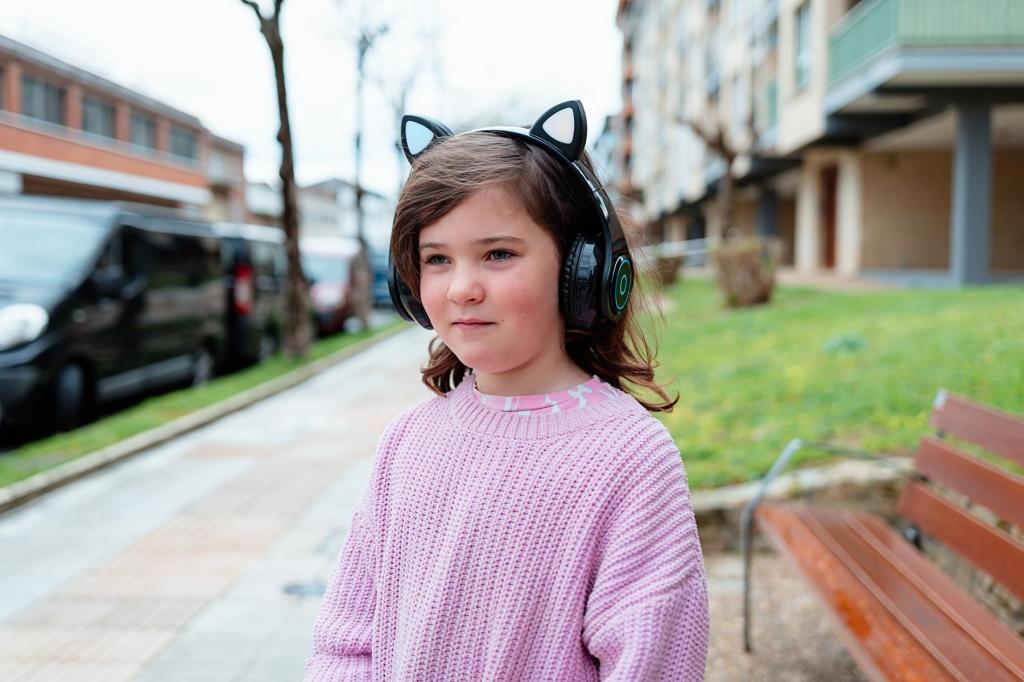
Music Therapy– Whether passively or attentively, most of us enjoy listening to calming music. A child or adolescent with ADHD may benefit from music to drown out the many thoughts their brain is attempting to process simultaneously.
Assistive Technology– Many children and adolescents find it difficult to maintain focus and to complete tasks. This is because the frontal lobe is affected by ADHD. The frontal lobe is responsible for decision making and for planning processes. Apple or Android Apps are available to assist with time blocking their day or can provide checklists in order to help them get organized and stay organized.
Exercise– It has been discovered that a child or an adolescent with ADHD typically has a dopamine deficiency. Exercise greatly increases dopamine levels. Dopamine is known as the “happy hormone.” ADHD is known to toggle dopamine levels upwards and downwards. Exercise can assist with regulating these dopamine levels and restoring dopamine during times when it is depleted.
What are your thoughts on alternative treatments for ADHD? Add your comments down below!
USE OF ADHD MEDICATION IN SCHOOLS
Have you ever wondered how many students take ADHD medication while during school hours? According to Nationwide Children’s Hospital, a whopping 3.3 million children in the United States take ADHD to attend school! ADHD medications can cause changes in mood, and can trigger psychotic episodes. When Psychotic symptoms occur, the student will experience a loss of touch with reality. The effects of ADHD medication can be a real problem in schools. If a child or adolescent is zoned out, how will they have the ability to retain the information being taught to succeed academically? Changes in mood can be a problem in the schools too. If a child or adolescent is acting out during class, others will not be able to receive the attention they need and the cause of the interruptions may not be able to be effectively discovered.
Ways to Help your Child Manage their ADHD in School:
Fidget Toys– Fidget toys are a great way to help an antsy ADHD child. Toys like spinning rings, fidget cutes, and puddy are great quiet ways to reduce restless behavior.
Comfortable Clothing– Comfortable clothing can help reduce overstimulation. A person with ADHD can become overstimulated if their clothes are too tight or scratchy. Minimizing this type of overstimulation can help your child pay attention during school.
Listening to music– Many people with ADHD can focus more productively if they can focus on music. Certain types of music, such as lo-fi, can be a great choice to help your child focus on completing work.
Click here to view number of depression cases with ADHD: Chang, Zheng, et al. “Medication for Attention Deficit/Hyperactivity Disorder and Risk for Depression: A Nationwide Longitudinal Cohort Study.” National Library of Medicine, vol. 80, no. 12, 23 Feb. 2016, 916–922. doi 10.1016/j.biopsych.2016.02.018.




 Effects of ADHD Medication in Children and Adolescents
Leave a comment